Solar energy harnesses the sun’s radiation and converts it into electricity or heat you can use in your home or business. Every hour, enough sunlight reaches Earth to power our entire planet for a year, yet most of that potential goes untapped. Understanding how this abundant resource transforms into usable power can help you make confident decisions about whether solar fits your energy needs.
The technology itself is simpler than you might think. Solar panels contain photovoltaic cells that generate direct current electricity when sunlight strikes them. An inverter then converts that DC power into the alternating current your appliances require. No fuel, no moving parts, just consistent energy production whenever the sun shines.
Right now in 2026, federal tax credits cover 30% of installation costs, and many states offer additional incentives that can reduce your upfront investment by thousands of dollars. These financial benefits won’t last forever, making this an ideal time to explore your options.
Whether you’re curious about cutting your electricity bills, reducing your carbon footprint, or gaining energy independence, solar technology has matured into a reliable solution backed by decades of real-world performance. The key is understanding which system type matches your property, budget, and goals. With the right information and local expertise, you can evaluate solar not as a complicated mystery but as a practical energy choice with clear benefits and considerations.
What Is a Solar Energy Source?
A solar energy source is the radiant light and heat emitted by the sun, harnessed through technology to produce electricity or thermal energy for human use. Unlike fossil fuels that require extraction and combustion, solar energy arrives continuously at Earth’s surface as electromagnetic radiation, making it fundamentally different from conventional energy sources.
The sun releases energy through nuclear fusion reactions in its core, converting hydrogen into helium and releasing massive amounts of energy in the process. This energy travels 93 million miles to Earth as solar radiation, delivering more energy to our planet in one hour than humanity consumes in an entire year. That abundance is what makes solar such a compelling renewable resource.
- Solar Radiation
- The electromagnetic energy emitted by the sun that reaches Earth, measured in watts per square meter and varying by location, time of day, and atmospheric conditions.
- Photons
- Particles of light that carry energy from the sun and can be captured by solar panels to generate electricity through the photovoltaic effect.
- Renewable Energy
- Energy from sources that naturally replenish themselves, like solar, wind, and hydro, as opposed to finite resources like coal, oil, and natural gas.
- Solar Irradiance
- The power of solar radiation received per unit area, typically measured in kilowatts per square meter, which determines how much energy is available for conversion at a given location.
What sets solar apart from conventional sources is its availability and environmental profile. Coal, natural gas, and oil must be mined or drilled, transported, and burned, releasing greenhouse gases and pollutants in the process. Solar energy simply needs to be captured where it falls. There’s no fuel cost, no supply chain disruption, and no combustion byproducts.
The catch is variability. Solar energy isn’t available at night and fluctuates with weather and seasons, which is why understanding your local solar resource matters for system planning. But as a source, it’s inexhaustible on human timescales and available everywhere the sun shines.
How Solar Energy Becomes Usable Power
Photovoltaic (PV) Solar Systems
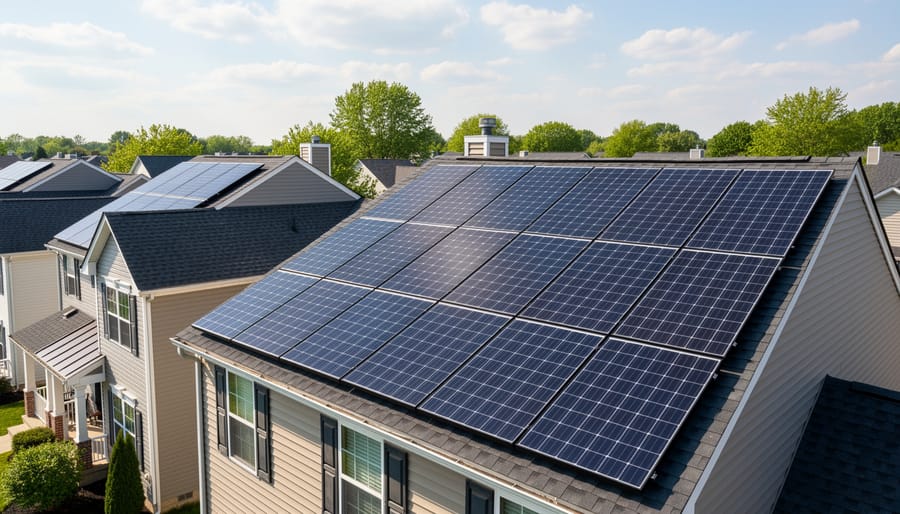
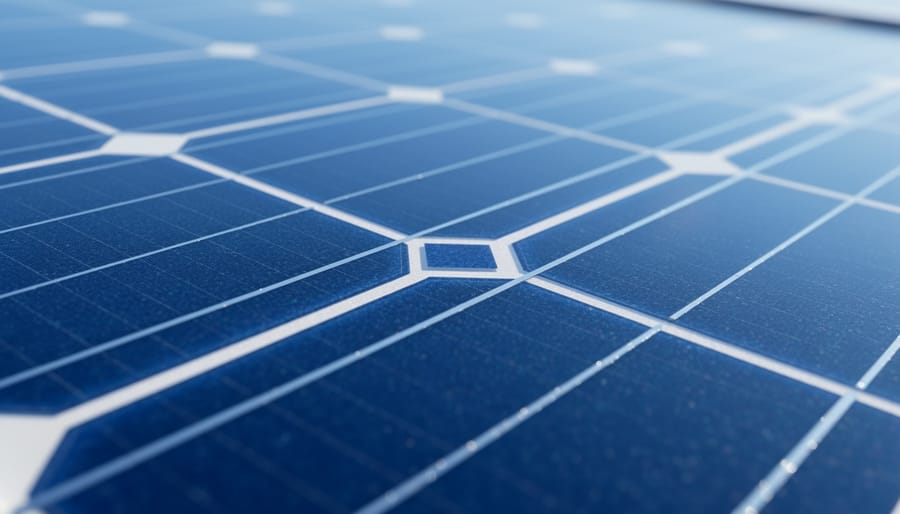
Solar panels work through something called the photovoltaic effect, where certain materials generate an electric current when exposed to light. While the science behind how solar works involves some complex physics, the practical process is straightforward.
Each solar panel contains dozens of solar cells, typically made from silicon that’s been specially treated to create an electric field. When sunlight hits these cells, photons from the light knock electrons loose from the silicon atoms, creating a flow of electricity. This is how PV converts sunlight to electricity through a purely physical process with no moving parts.
The journey from sunlight to usable power follows these steps:
- Sunlight strikes the silicon cells in your solar panels, energizing electrons and creating direct current (DC) electricity.
- This DC power flows through wiring to your inverter, the device that converts DC into alternating current (AC) electricity your home uses.
- The AC electricity enters your electrical panel, where it’s distributed to power your lights, appliances, and devices.
- Any excess electricity either flows back to the grid (where net metering is available) or charges a battery storage system if you have one installed.
What makes PV systems particularly reliable is their simplicity. There’s no combustion, no turbines, and no fluids to manage. The panels simply absorb photons and generate electricity as long as light hits them, even on cloudy days (though at reduced efficiency). A typical residential panel produces between 300 and 400 watts under optimal conditions, with most systems sized to offset a significant portion of your household’s electricity consumption.
Solar Thermal Systems
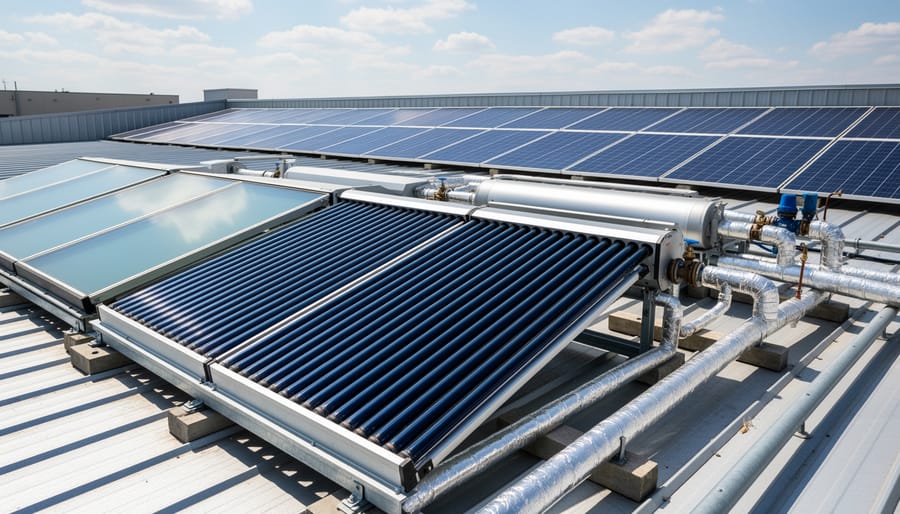
Solar thermal systems take a different approach than photovoltaic panels. Instead of generating electricity, they capture the sun’s heat directly and transfer it to water or air for immediate use in your home or business.
The core component is a solar collector, typically mounted on your roof or a sunny area of your property. Solar collectors convert sunlight to heat by absorbing solar radiation through a dark surface, which warms a fluid circulating inside. This heated fluid then flows to a storage tank or directly to where you need hot water or warmth.
For water heating, the most common application in Canadian homes, the system preheats water before it reaches your conventional water heater. On sunny days, the solar collector can deliver water hot enough for direct use, cutting your energy costs significantly. The stored hot water remains available even after the sun sets, giving you round-the-clock access.
Space heating systems work similarly but on a larger scale. The heated fluid circulates through radiators or underfloor heating loops, warming your living spaces during colder months. These setups require more collector area and larger storage tanks, but they can offset a substantial portion of your heating bills.
The beauty of solar thermal lies in its simplicity. There are no complex electronics or inverters, just straightforward heat transfer. In 2026, improved collector designs and better insulation make these systems more efficient than ever, especially in regions with strong solar resource availability and significant heating demands.
Why Solar Energy Source Availability Matters for Your System
The sun doesn’t shine with equal intensity everywhere, and that reality shapes how well solar works for you. A system in southern Ontario won’t produce the same output as an identical setup in northern British Columbia, even if both use the same panels and inverter.
Canada’s solar resource varies considerably by region. Southern areas typically receive 1,000 to 1,300 kilowatt-hours per square meter annually, while northern locations may see 900 to 1,100. That difference translates directly to your system’s production. A 10-kilowatt array in a high-resource area might generate 12,000 kilowatt-hours yearly, while the same system in a lower-resource location produces closer to 9,500. Both systems work, but they’ll offset different portions of your energy bill.
Seasonal swings matter more than many people expect. Winter months bring shorter days and lower sun angles, reducing production to roughly 20-30% of summer output in most Canadian locations. Snow cover adds another variable. Some accumulation melts quickly on tilted panels; heavy, persistent snow can block production for days. You need a realistic annual picture, not just summer performance, when sizing your system.
Local conditions often outweigh broad geographic trends. A south-facing roof with no shade in Calgary will outperform a partially shaded, east-facing roof in sunnier Vancouver. Nearby trees, buildings, and roof pitch all affect how much usable sunlight actually reaches your panels. Two neighbours on the same street can see different results based solely on these factors.
Understanding your specific solar resource helps you set accurate expectations. A qualified local installer will assess your site’s actual conditions, run production estimates based on historical data for your area, and size a system that matches your energy needs within realistic output limits. The goal isn’t maximum theoretical production but a system tailored to what your location can reliably deliver year-round.
Comparing Solar to Other Energy Sources
Solar doesn’t exist in a vacuum. Homeowners and businesses weighing their options need to see how it measures up against grid electricity, natural gas, and other renewables. Each energy source brings different trade-offs in reliability, environmental footprint, and long-term costs.
| Energy Source | Availability | Environmental Impact | Typical System Lifespan |
|---|---|---|---|
| Solar PV | Daylight dependent, weather affected | Zero emissions after installation | 25-30 years |
| Grid Electricity (Canada) | Continuous, region dependent on sources | Varies widely by province (hydro to coal) | Infrastructure varies |
| Natural Gas | Continuous supply via pipeline | Moderate CO₂ emissions | 15-20 years (furnace/boiler) |
| Wind | Wind dependent, site specific | Zero emissions after installation | 20-25 years |
Traditional fossil fuels offer predictable, on-demand power but carry environmental costs and price volatility tied to global markets. Natural gas heating systems run whenever needed, but they emit carbon dioxide and depend on fluctuating commodity prices. Grid electricity in Canada varies dramatically by province, British Columbia and Quebec rely heavily on hydroelectric power (clean but geographically limited), while Alberta and Saskatchewan still draw significant portions from coal and natural gas.
Wind energy shares solar’s intermittency challenge but excels in different conditions. Coastal and prairie regions with consistent winds can generate power at night when solar can’t, making the two technologies complementary rather than competitive. Hydro provides reliable baseload power but requires specific geography and can disrupt ecosystems.
Solar’s advantages become clearer over time. After the initial investment, sunlight is free and abundant across most of Canada, even in northern regions. There’s no fuel cost, no emissions during operation, and minimal maintenance. The pros and cons of solar balance differently depending on your location, energy needs, and access to incentives, but the fundamentals remain consistent: predictable long-term costs, environmental benefits, and independence from grid price increases.
Making Solar Work for You: Real-World Considerations
Deciding whether solar fits your situation starts with an honest look at your property and energy patterns. Walk around your home or building at different times of day. Does your roof face south, southeast, or southwest? Those orientations capture the most sun in Canada. A west-facing roof can still work well, but north-facing slopes typically won’t generate enough power to justify the investment.
Shading is your next checkpoint. Even partial shade from trees, chimneys, or neighboring structures can significantly reduce output. A panel that’s 50% shaded doesn’t produce 50% of its rated power, it often produces much less because of how cells connect in series. If large trees shade your roof for several hours daily, you’ll need to decide whether trimming is realistic or whether ground-mounted panels make more sense.
Your energy consumption matters as much as your roof. Pull out a year’s worth of utility bills and calculate your average monthly usage in kilowatt-hours. A household using 800 kWh monthly needs a different system size than one using 1,200 kWh. Seasonal variation also tells you something: if your winter bills spike because of electric heating, solar won’t offset those months as effectively since daylight hours are shortest when heating demand peaks.
System costs have dropped considerably, but upfront investment remains substantial. As of 2026, residential installations typically run between $2.50 and $3.50 per watt before incentives, meaning a 6 kW system might cost $15,000 to $21,000. Commercial installations can access the 30% Clean Technology Investment Tax Credit, reducing net costs significantly. For homeowners, provincial and municipal programs vary widely, some regions offer property tax exemptions or net metering arrangements that credit you for excess generation.
Get quotes from at least three local installers. Ask them to visit your property, review your bills, and provide realistic production estimates based on your actual conditions, not generic assumptions. A reputable installer will discuss what won’t work as readily as what will.
Current Incentives Supporting Solar Energy in Canada (2026)
Canada’s solar incentive landscape has shifted significantly heading into 2026. Understanding what’s currently available can help you determine your solar needs and calculate realistic project costs.
The primary federal incentive now is the Up to 30% Clean Technology ITC which provides a refundable tax credit of 30% on capital costs for eligible commercial and small-business solar installations. This credit directly reduces your tax liability and can substantially lower the upfront investment for qualifying commercial properties. The credit applies specifically to solar PV systems used for commercial purposes, making it particularly valuable for businesses looking to reduce energy costs while building sustainability credentials.
For residential homeowners, the federal incentive picture has changed. Both the Canada Greener Homes Grant and the Greener Homes Loan program have closed to new applicants as of 2026. These programs previously offered grants and interest-free loans up to $40,000 for home energy improvements, including solar installations. While existing participants can still complete their projects under previous terms, new residential solar adopters will need to look elsewhere for financial support.
Provincial and municipal programs vary widely across Canada. Some regions offer net metering programs that credit you for excess solar power sent back to the grid, while select municipalities provide local incentives or property tax exemptions for solar installations. Check with your provincial energy authority and local utility to see what regional support might be available in your area.
Working with an experienced local solar provider can help you navigate the current incentive landscape and identify opportunities specific to your location and installation type.
Expert Tips for Choosing the Right Solar Solution
Choosing a solar system that matches your location’s solar resource and energy needs starts with selecting the right provider. Look for installers who conduct a thorough on-site assessment before quoting, they should measure roof angles, identify shading from trees or structures at different times of day, and review your actual energy bills rather than offering generic packages. A quality provider will explain how your specific solar availability translates into expected system output and savings.
Ask prospective installers how they account for seasonal variation in your area. Request production estimates for both peak summer months and winter lows, not just annual averages. This gives you realistic expectations and helps size the system appropriately. Find out whether they use monitoring tools that track actual performance against predicted output, letting you verify your system delivers as promised.
Get multiple quotes, but compare more than just price. Look at equipment warranties (panels typically offer 25 years, inverters 10-15 years), installation certifications, and post-installation support. Ask whether the quote includes permits, inspections, and utility interconnection paperwork, hidden costs that some providers leave out. Clarify what happens if your roof needs repairs later; reputable installers explain panel removal and reinstallation fees upfront.
Question providers about financing options and current incentives they can help you access. For commercial installations, confirm they understand the 30% Clean Technology Investment Tax Credit application process and can document eligible costs properly. A knowledgeable installer will find the best installers who stay current with 2026 incentive programs and guide you through available options for your situation.
Finally, trust your instincts. Providers who pressure quick decisions or promise unrealistic savings aren’t invested in your long-term satisfaction. The right installer answers questions patiently, provides references from local projects, and builds systems designed for your actual solar resource and energy patterns.
Understanding how solar energy works, from the sun’s radiation to the electricity powering your home, puts you in control of one of the smartest energy decisions you’ll make. You now know the basics of photovoltaic and thermal systems, how location affects performance, and why solar stands out among energy sources. The next step is connecting with experienced local providers who can assess your specific situation, answer your questions, and design a system that matches your energy needs and budget. Ask Solar makes that easy by linking you with trusted solar professionals in your area who understand the latest incentives and installation best practices for 2026. Take that step today, and you’ll be turning sunlight into savings sooner than you think.