
The federal residential solar tax credit expired on December 31, 2025. If you’re searching for this information in late 2026, here’s what you need to know right now: homeowners can no longer claim the 30% Residential Clean Energy Credit for new solar installations. However, if you completed your solar project before the deadline, you can still claim the credit when you file your 2025 or 2026 tax return.
This expiration represents a significant shift in solar financing. For years, the 30% federal credit helped millions of homeowners offset installation costs, often reducing a $20,000 system to an effective $14,000 after …
Category: Installing & Maintenance
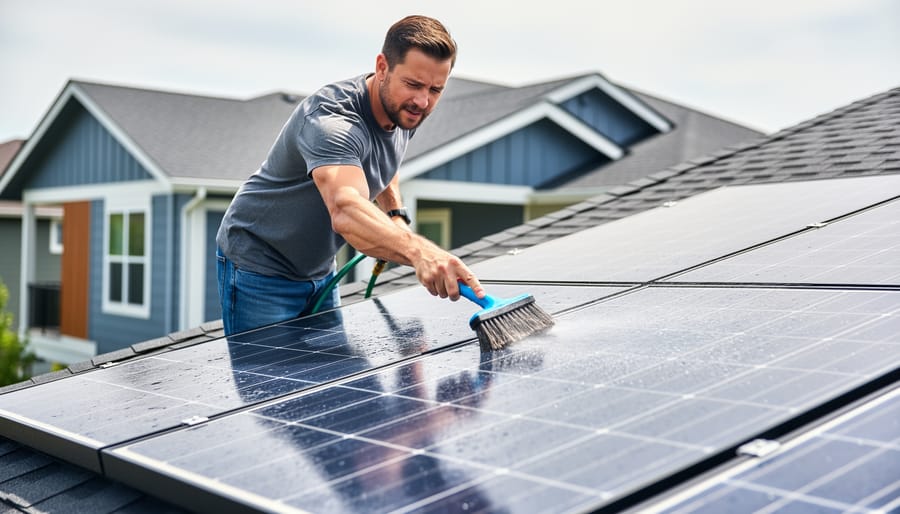
Do Solar Panels Need Maintenance? A Simple Guide to Keeping Your System Running
Some links here pay me a commission if you make a purchase. Thanks for supporting the site.
Yes, solar panels do need maintenance, but far less than most people expect. With just two to four cleanings per year and quick visual inspections, you can keep your system running at 95-100% efficiency and protect your investment for decades. The good news? Most maintenance tasks are straightforward enough…
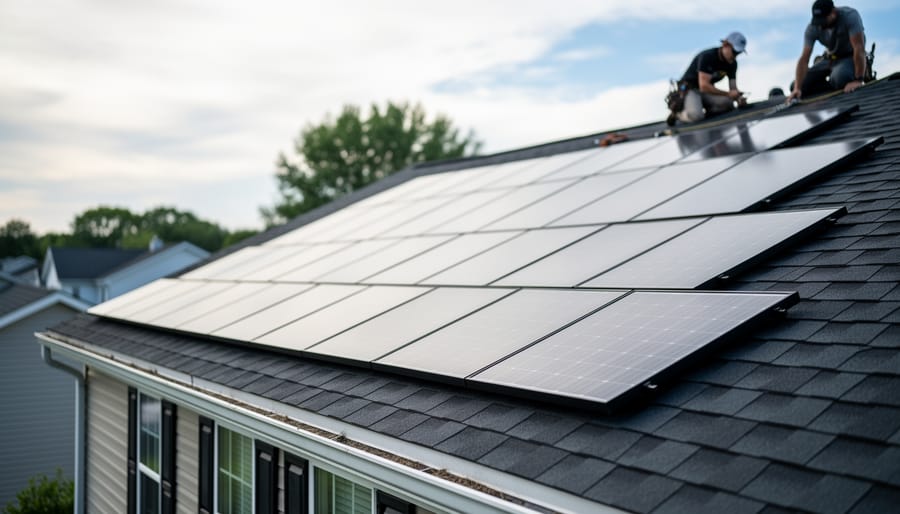
How to Install GAF Solar Shingles: Step-by-Step Instructions for a Seamless Roof Integration
Installing GAF solar shingles transforms your roof into a clean energy source through a specialized process that integrates photovoltaic technology directly into your roofing system. This premium solar roofing option, GAF’s Timberline Solar system, combines traditional asphalt shingles with low-profile solar panels that mount flush to your roof deck, creating a streamlined appearance while generating electricity. The installation typically takes three to five days for an average-sized home and requires certified GAF installers who understand both roofing and electrical systems.
Unlike traditional rack-mounted solar panels, GAF…
N-Type vs. P-Type Solar Panels: Which Is Right for You in 2026?
Some links here pay me a commission if you make a purchase. Thanks for supporting the site.
N-type solar panels win on efficiency and long-term performance, while p-type panels remain the budget-friendly standard for most residential installations in 2026. After testing both technologies across a range of real-world conditions, we found that n-type modules consistently outperform their p-type …
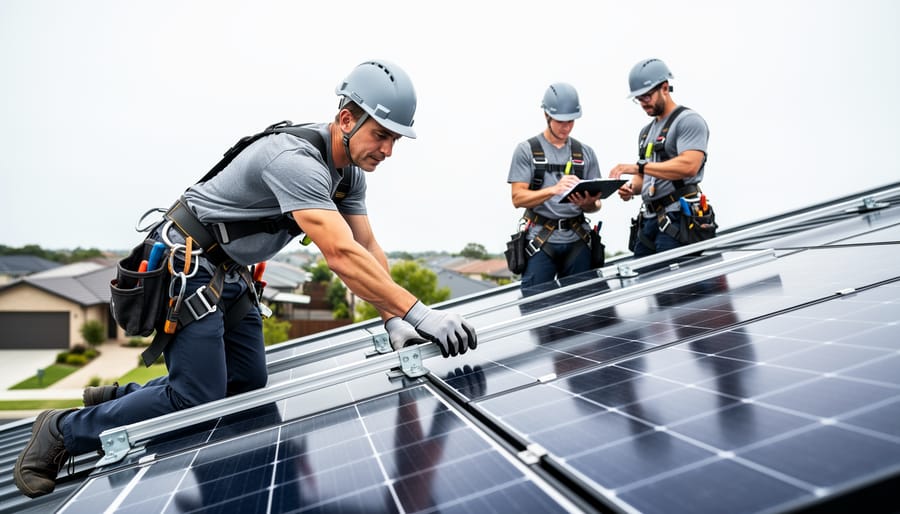
Why Research Peptides Have Nothing to Do With Your Solar Panels (And What You Should Focus On Instead)
If you’ve arrived here searching for research peptides, you’re on the wrong site. We specialize in solar energy solutions, not biochemical compounds. For legitimate research peptides from verified suppliers, visit Kylo Peptides or consult your institution’s procurement department.
That said, if you’re exploring cost-effective, science-backed investments, solar technology offers a compelling parallel. Like research-grade compounds, quality solar equipment requires verification, proper sourcing, and attention to performance data. The solar industry has matured …
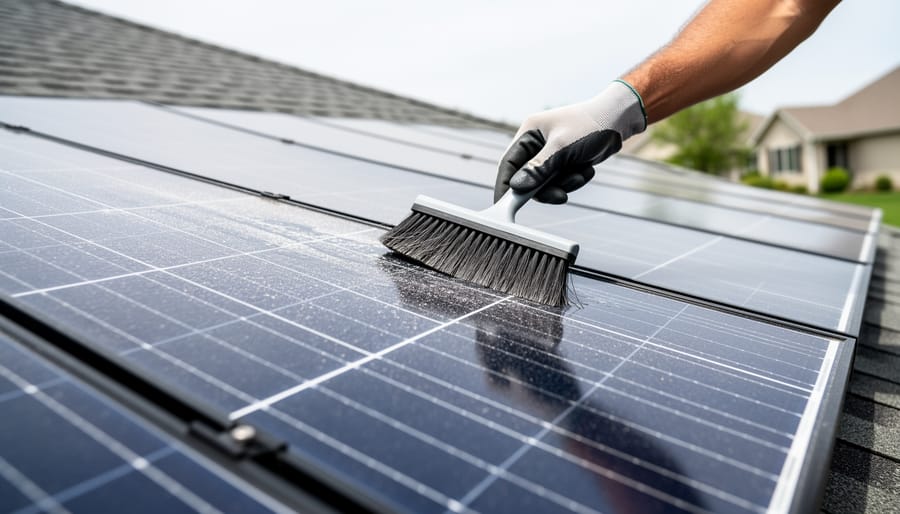
How to Use a Solar Panel Cleaning Kit: Step-by-Step Maintenance Guide
Cleaning solar panels requires just a few specialized tools and can be done safely in under an hour by most homeowners, preserving panel efficiency that typically drops 15-25% when dirt, dust, and debris accumulate. You’ll need a soft-bristle brush or squeegee, non-abrasive cleaning solution designed for solar panels, a hose with adjustable nozzle, and proper safety equipment if you’re working on a roof.
The investment in a quality cleaning kit pays for itself quickly. Clean panels convert sunlight into electricity far more efficiently than dirty ones, and understanding …
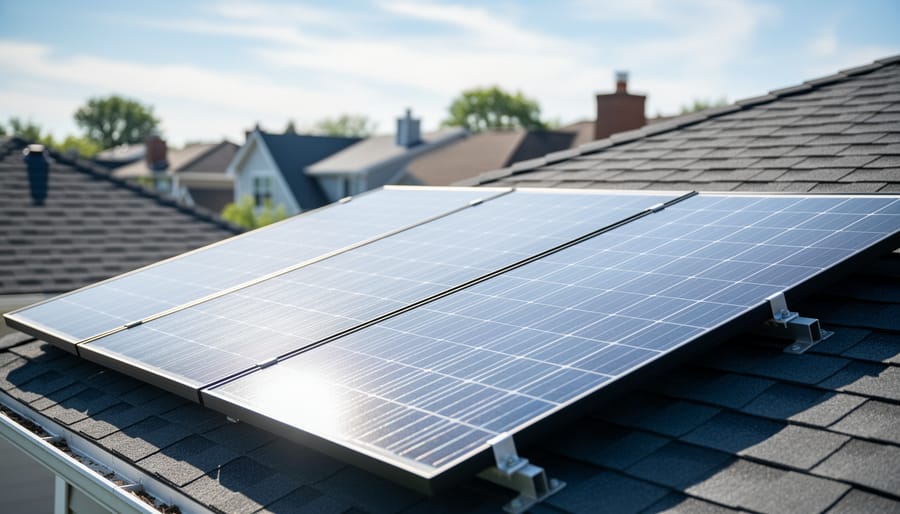
Solar Panel Comparison 2026: Which Type Is Right for Your Home?
After testing the leading solar panels available in 2026, we found that efficiency, warranty length, and long-term value separate top performers like SunPower, REC, Panasonic, and LG from the rest. If you need maximum power output from limited roof space, high-efficiency models around 22-23% now deliver meaningfully more electricity per square foot than budget alternatives. For most homeowners, though, the sweet spot lies in mid-range N-type TOPCon panels that combine strong performance with competitive pricing.
Solar adoption has reached a tipping point. More than five million U.S. households now generate their own electricity, and…
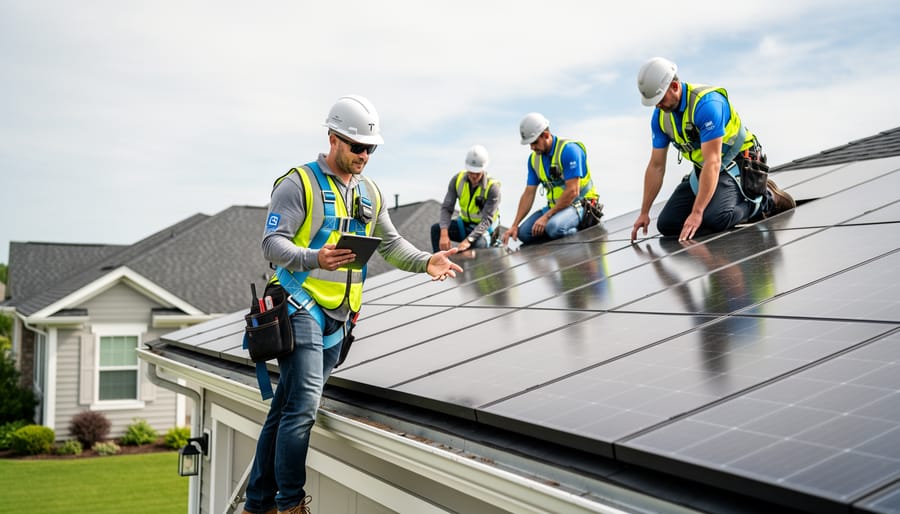
How to Install Tesla Solar Shingles: Step-by-Step Process and What You Need to Know
Tesla Solar Roof installation requires professional certification and cannot be done as a DIY project. The process typically takes five to ten days depending on your roof’s complexity, with costs ranging from $60,000 to $150,000 for an average-sized home after accounting for federal tax credits and local incentives available in 2026.
Here’s what makes Tesla Solar Roof different from traditional solar panels: instead of mounting panels on top of your existing shingles, certified installers completely replace your roof with tempered glass tiles that generate electricity while protecting your home. Understanding …
What Is THCA Pre-Roll Legality and How Do Solar Rebates Apply?
THCA pre-rolls occupy a complex legal space: they’re federally compliant under the 2018 Farm Bill when derived from hemp containing less than 0.3% delta-9 THC, yet state laws vary widely on their sale and use. For more information about these products, visit https://www.exhalewell.com/thca-pre-rolls/. Solar rebates, meanwhile, are financial incentives offered by utilities, states, and the federal government to reduce the upfront cost of installing solar energy systems.
If you operate a THCA pre-roll business or plan to enter this emerging market, you’re likely …
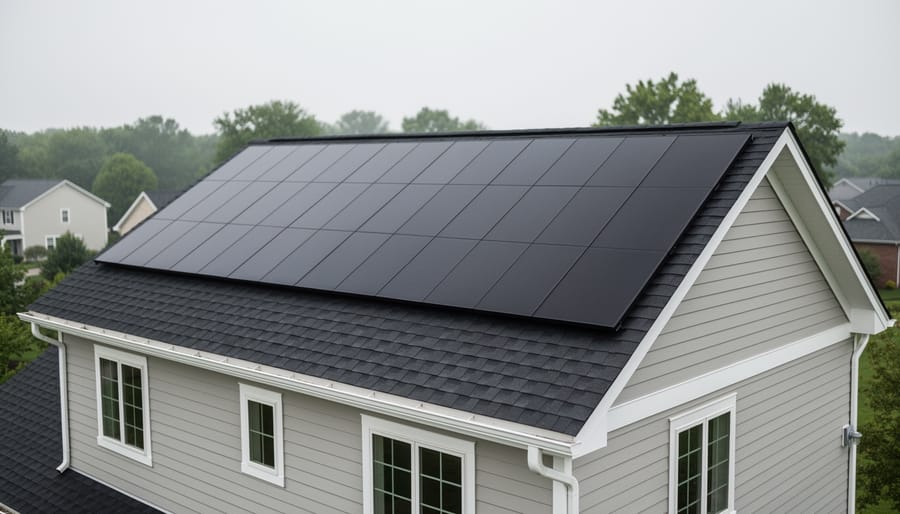
How Much Do Solar Shingles Cost? (in 2026)
Solar shingles cost between $21 to $25 per square foot installed in 2026, translating to $50,000 to $75,000 for a typical 2,500-square-foot roof. That’s roughly double the investment of traditional rooftop solar panels, but you’re paying for both a new roof and a power system in one integrated package.
Key Takeaway: Expect to invest $50,000 to $75,000 for a complete solar shingle installation on an average home, with costs varying based on roof size, complexity, system capacity, and regional labor rates. Federal tax credits can reduce this by 30%, bringing net costs down to $35,000…