
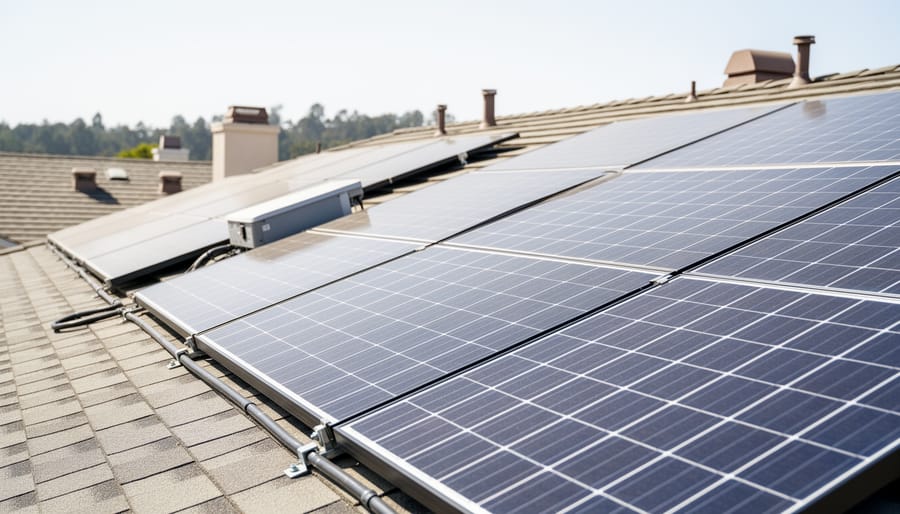
Searching for “solar energy certificate” can lead you down three completely different paths, and knowing which one applies to you will save hours of confusion. The term refers to professional training credentials for solar installers, Renewable Energy Certificates (RECs) that represent clean energy production, or in some cases, permits and documentation required for residential solar installations.
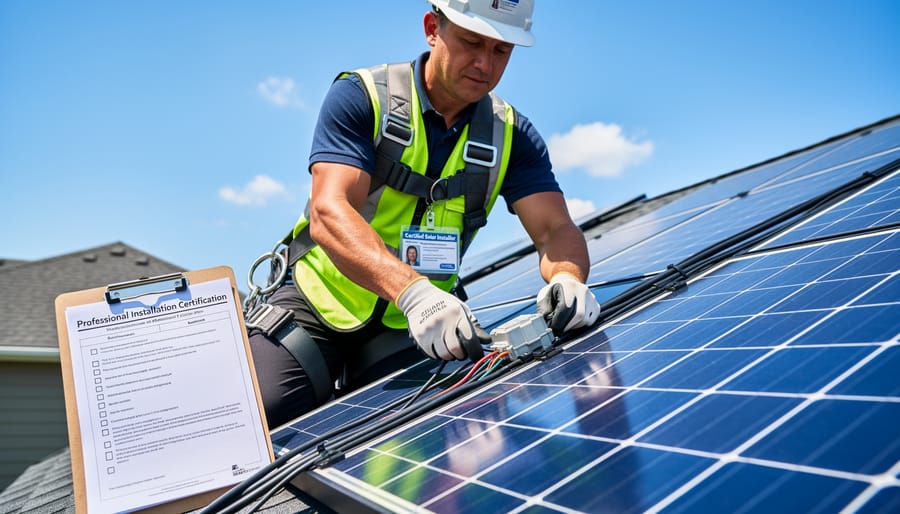
If you’re a homeowner planning to install solar panels, you don’t need a certificate yourself. Your solar installer needs the proper licensing and certifications, which typically include credentials from the North American Board of Certified Energy Practitioners (NABCEP). These professional certifications ensure your installer has passed rigorous testing on photovoltaic system design, installation safety, and local building codes. Always verify your contractor holds current certifications before signing any agreement.
RECs represent the environmental benefits of solar energy generation. When your system produces 1,000 kilowatt-hours of electricity, you generate one REC that can be sold separately from the actual power. Some states require utilities to purchase these certificates to meet clean energy mandates, creating an additional revenue stream for solar owners. The value varies dramatically by location, ranging from a few dollars to over $300 per certificate in certain markets during 2026.
For those pursuing a career in solar, professional certificates open doors to higher-paying positions. Entry-level training programs typically take 6-12 months and cover system design, electrical theory, and hands-on installation practice. Advanced NABCEP certification requires documented field experience plus passing a comprehensive exam, but it signals expertise that commands premium rates in this growing industry.
Understanding which certificate matters for your situation is the first step toward making informed decisions about solar energy.
Understanding Solar Energy Certificates: Two Different Meanings
The term “solar energy certificate” causes genuine confusion because it describes two completely separate things. Understanding the difference is essential before you commit time or money to the wrong path.
On one side, you have educational solar energy certificates: structured training programs offered by community colleges and technical schools for people entering the solar industry. These programs teach hands-on skills like photovoltaic system installation, electrical work, and energy efficiency analysis. Richmond Community College, for example, offers a Solar Energy Certificate focused on aligning electrical skills with current solar technology. Monroe County Community College lists a Renewable Energy: Solar Energy Certificate among its programs. These certificates typically require around 31 credits and prepare graduates for careers as solar installers, technicians, or system designers.
On the other side sit Renewable Energy Certificates, abbreviated as RECs and sometimes called solar renewable energy credits. These represent the environmental benefits of generating one megawatt-hour of solar electricity. When your rooftop solar system produces power, it automatically generates RECs that can be sold or traded in renewable energy markets. RECs exist purely as financial instruments and have nothing to do with professional training or career credentials.
- Educational Solar Energy Certificate
- A professional training credential earned through coursework at colleges or technical schools, qualifying graduates for solar installation and technical careers. Programs can be completed online or in class at most schools.
- Renewable Energy Certificate (REC)
- A tradable financial instrument representing the environmental attributes of one megawatt-hour of solar electricity generation. Automatically created when your solar system produces power, separate from the electricity itself.
The confusion between these two meanings trips up many people researching solar options. If you’re considering a career in solar installation or design, you need the educational certificate. If you own or plan to install a solar system, you’ll generate RECs automatically but won’t need any professional certification yourself. Your situation determines which certificate matters to you, and mixing them up can send you down the wrong research path entirely.
Solar Energy Certificate Programs: Building Your Career in Solar
What You’ll Learn in a Solar Energy Certificate Program
Solar energy certificate programs pack practical, hands-on training into a focused curriculum designed to prepare you for real-world solar jobs. Most programs, like the 31-credit certificate offered at community colleges nationwide, cover a core set of skills that employers actively seek when hiring installers and technicians.
You’ll start with foundational electrical skills, since working safely with solar systems requires understanding circuits, wiring, and electrical codes. From there, the curriculum typically includes:
- Photovoltaic system fundamentals and how solar panels convert sunlight into electricity
- PV design and installation techniques for residential and commercial applications
- Electrical safety protocols and proper equipment handling
- System sizing, load calculations, and performance optimization
- Energy efficiency principles that complement solar installations
- Battery storage integration and backup power systems
Programs at schools like Richmond Community College emphasize aligning your electrical skills with current solar technology, while Monroe County Community College’s Renewable Energy: Solar Energy Certificate focuses specifically on preparing students for the growing solar workforce. The hands-on component is crucial. You won’t just study diagrams; you’ll actually mount panels, wire inverters, and troubleshoot system issues in lab settings that mirror job sites. This practical experience is what separates certificate holders from those who’ve only read about solar energy.
How to Enroll: Online vs. In-Person Options
Most solar energy certificate programs offer flexibility through online and in-person options letting you choose the format that fits your schedule and learning style. If you’re working full-time or managing other commitments, online courses allow you to complete coursework on your own time while still gaining hands-on experience through required labs or local practicum arrangements. In-person programs typically provide more direct access to equipment and immediate instructor feedback, which some students prefer when learning installation techniques.
Expect to invest about a year if you attend part-time, though some accelerated tracks condense the timeline. Most certificate programs require around 31 credits, covering both theoretical knowledge and practical application. You’ll need to balance class time with any fieldwork or lab hours, which are usually mandatory regardless of whether you take lectures online or on campus.
Before enrolling, check whether your chosen program requires prerequisites like basic electrical knowledge or offers bridge courses for newcomers. California students should verify that the program aligns with state contractor licensing requirements if you plan to pursue installation work professionally. Many community colleges and technical schools maintain partnerships with local solar companies, sometimes offering job placement support after you complete the certificate.
Career Opportunities After Certification
California’s solar industry offers strong employment prospects for certificate holders. Graduates typically enter the workforce as solar installers, learning hands-on system mounting and wiring alongside experienced crews. Many advance to photovoltaic technician roles, handling troubleshooting, maintenance, and system upgrades. Those with design aptitude can pursue system designer positions, creating custom solar plans that meet building codes and energy goals.
Certificate programs pair well with apprenticeships, which many California solar companies offer. The certificate provides foundational knowledge, while apprenticeship delivers paid on-the-job training. This combination often leads to faster advancement and higher wages. California’s commitment to renewable energy targets means consistent demand for skilled workers who understand both the technical and safety aspects of solar installation.

Renewable Energy Certificates (RECs): What California Solar Owners Should Know
When you install solar panels on your California property, you’re not just generating electricity, you’re also creating Renewable Energy Certificates. These digital credits represent proof that you’ve generated one megawatt-hour of clean, solar-derived electricity. Think of RECs as the environmental badge of honor for your solar production, separate from the actual kilowatt-hours flowing into your home or back to the grid.
Understanding how solar panels work helps clarify why RECs exist: as sunlight hits your panels and converts to electricity, you’re displacing power that would otherwise come from fossil fuels. RECs capture this environmental benefit as a tradeable commodity. Utilities, corporations, and other entities purchase these certificates to meet renewable energy mandates or sustainability commitments, even if they can’t physically use your specific electrons.
In California, your solar system automatically generates RECs as it produces power. You don’t need to apply for them or track them manually. However, ownership gets interesting. Most residential solar agreements, especially leases or power purchase agreements, transfer REC ownership to the financing company. If you own your system outright, you technically own the RECs, though their monetary value for individual homeowners is typically modest and often bundled into net metering benefits.
California’s renewable energy markets factor RECs heavily into compliance with the state’s aggressive clean energy targets. Large-scale buyers drive most REC transactions, while residential owners rarely trade them individually. The real value for you lies in knowing these certificates validate your contribution to California’s renewable energy goals. Your solar production counts toward statewide progress, whether you retain the RECs or they’re transferred as part of your financing arrangement. This environmental accounting matters more than the certificates’ direct cash value for most homeowners.

Do You Need a Solar Energy Certificate in California?
The short answer: if you’re a California homeowner or business owner planning to install solar panels, you don’t need a solar energy certificate yourself. That’s the responsibility of your installation contractor. However, if you’re pursuing a career in the solar industry, a certificate can be valuable for your professional development.
California law requires that solar installations be performed by licensed contractors, specifically those holding a C-46 Solar Contractor license or a C-10 Electrical Contractor license. Your installer must meet these legal requirements, not you. When you’re researching your solar energy requirement and gathering quotes, verify that contractors hold the proper licenses, but you won’t need educational credentials to move forward with your project.
Do I need a certificate to install solar panels on my home?
No. Homeowners don’t need any certification to have solar panels installed. Your contractor must be properly licensed, but there’s no certificate requirement for property owners.
Will I automatically receive RECs when I install solar?
Yes. When your solar system generates electricity, you automatically create Renewable Energy Certificates. In most residential cases, you retain ownership of these RECs unless you explicitly sell them or participate in a specific program.
Who actually needs a solar energy certificate in California?
Individuals pursuing careers as solar installers, technicians, or system designers benefit from certificate programs. These educational credentials demonstrate technical knowledge to employers and complement hands-on experience.
The confusion often arises because the same term describes both professional credentials and renewable energy credits. As a solar system owner, RECs are generated automatically by your system without any action on your part. You don’t apply for them or need approval.
For aspiring solar professionals, certificate programs provide the technical foundation needed to enter the field, though they supplement rather than replace the contractor licensing your employer must hold. The distinction matters: you’re either seeking education for a career path or preparing to work with certified professionals for your installation. Understanding which applies to your situation clarifies what steps you actually need to take.
Making the Right Choice for Your Solar Journey
Choosing your solar path depends on what you’re actually trying to accomplish. If you’re looking at career opportunities, pursuing an educational certificate makes sense when you want hands-on skills in installation, system design, or electrical work related to photovoltaic systems. This path positions you for employment in California’s growing solar industry, where demand for trained technicians continues to climb.
For homeowners and business owners considering solar installations, you don’t need an educational certificate yourself. Your focus should be finding qualified professionals who hold the proper credentials and licensing. Working with the best solar installers in your area ensures your system is designed correctly, meets local building codes, and qualifies for available incentives.
Understanding RECs becomes relevant once your system is operational and generating electricity. You don’t need to pursue anything special here; these certificates are created automatically when your panels produce power. Some California system owners choose to sell their RECs through utility programs or retain them to support renewable energy claims for their property.
The right choice comes down to your goal: building a career in solar, installing a system on your property, or simply understanding what you already own. Each path has distinct requirements and outcomes, so start by clarifying what you’re hoping to achieve with solar energy in 2026.
Understanding what ‘solar energy certificate’ means in your specific situation is the first step toward achieving your goals. Whether you’re exploring a career in California’s booming solar industry through educational certification programs or you’re a homeowner trying to make sense of renewable energy certificates tied to your solar investment, clarity matters.
The good news? You don’t need to navigate this alone. If you’re considering solar installation, you don’t need an educational certificate yourself, that’s what certified professionals are for. Ask Solar connects you directly with qualified local solar installers who hold the credentials and expertise to design and install your system correctly. They handle the technical requirements while you focus on the benefits: lower energy bills, environmental impact, and California solar savings that compound year after year.
For those pursuing solar careers, educational certificate programs open doors to a rapidly growing field with strong job security and meaningful work.
Ready to take the next step? Get personalized quotes from trusted local solar providers and discover what solar can do for you in 2026.