If you’ve arrived here searching for research peptides, you’re on the wrong site. We specialize in solar energy solutions, not biochemical compounds. For legitimate research peptides from verified suppliers, visit Kylo Peptides or consult your institution’s procurement department.
That said, if you’re exploring cost-effective, science-backed investments, solar technology offers a compelling parallel. Like research-grade compounds, quality solar equipment requires verification, proper sourcing, and attention to performance data. The solar industry has matured significantly, with panels now tested through rigorous third-party certification and backed by decades of peer-reviewed efficiency research.
Whether you’re a homeowner looking to cut energy costs or a business seeking measurable returns, vetted solar installations deliver predictable outcomes. The key lies in working with certified installers who understand local regulations, system sizing, and warranty protection. We connect you with pre-screened professionals who bring the same attention to detail you’d expect when sourcing any critical research material. The difference? Solar pays you back through lower utility bills and increased property value, making it one of the most accessible science-driven investments available in 2026.
The Real Research Worth Investing In: Solar Technology Advances
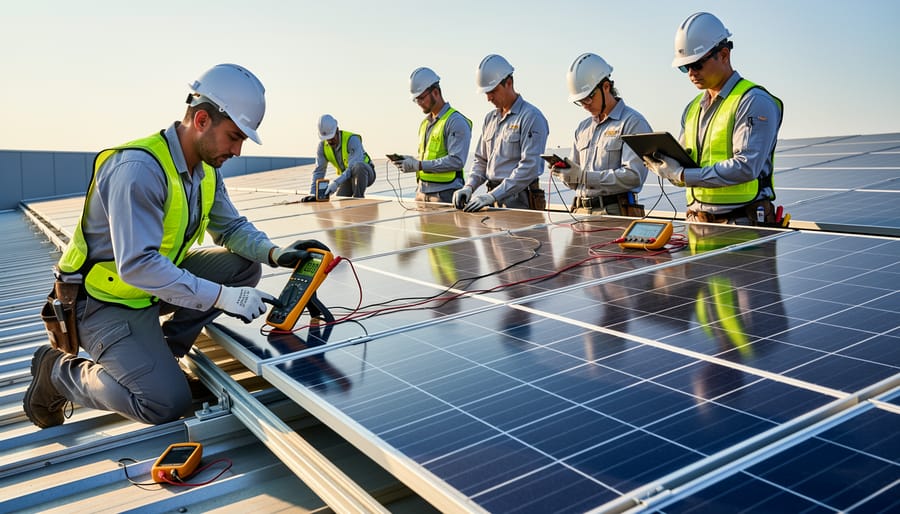
While research peptides exist in a specialized scientific realm requiring laboratory conditions and regulatory oversight, solar technology advances offer something far more practical: proven benefits you can implement immediately at your property.
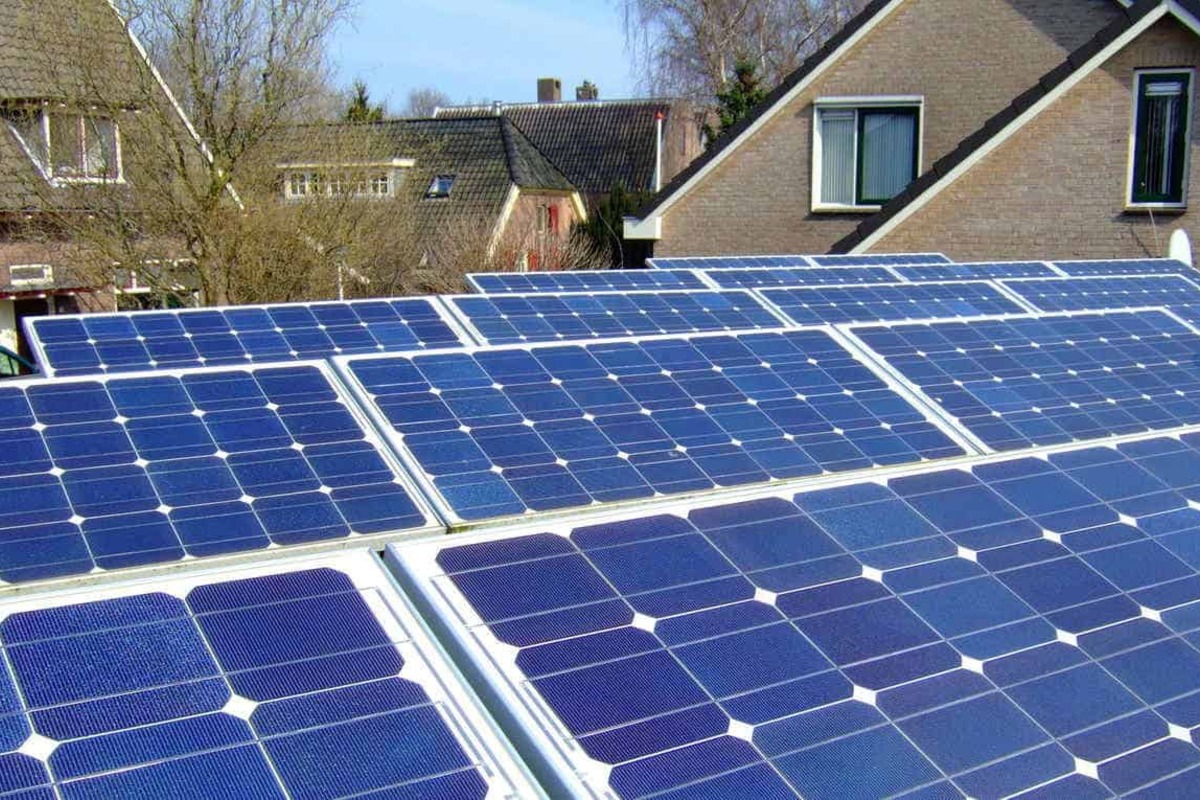
The solar industry invests billions annually in research and development that translates directly into products homeowners and businesses can use today. Unlike biochemical compounds that require specialized facilities and expertise to handle safely, solar innovations arrive at your doorstep as complete, certified systems ready for installation. These advances include higher-efficiency photovoltaic cells that generate more electricity from the same roof space, improved inverter technology that converts sunlight to usable power with minimal loss, and battery storage systems that keep your lights on during grid outages.
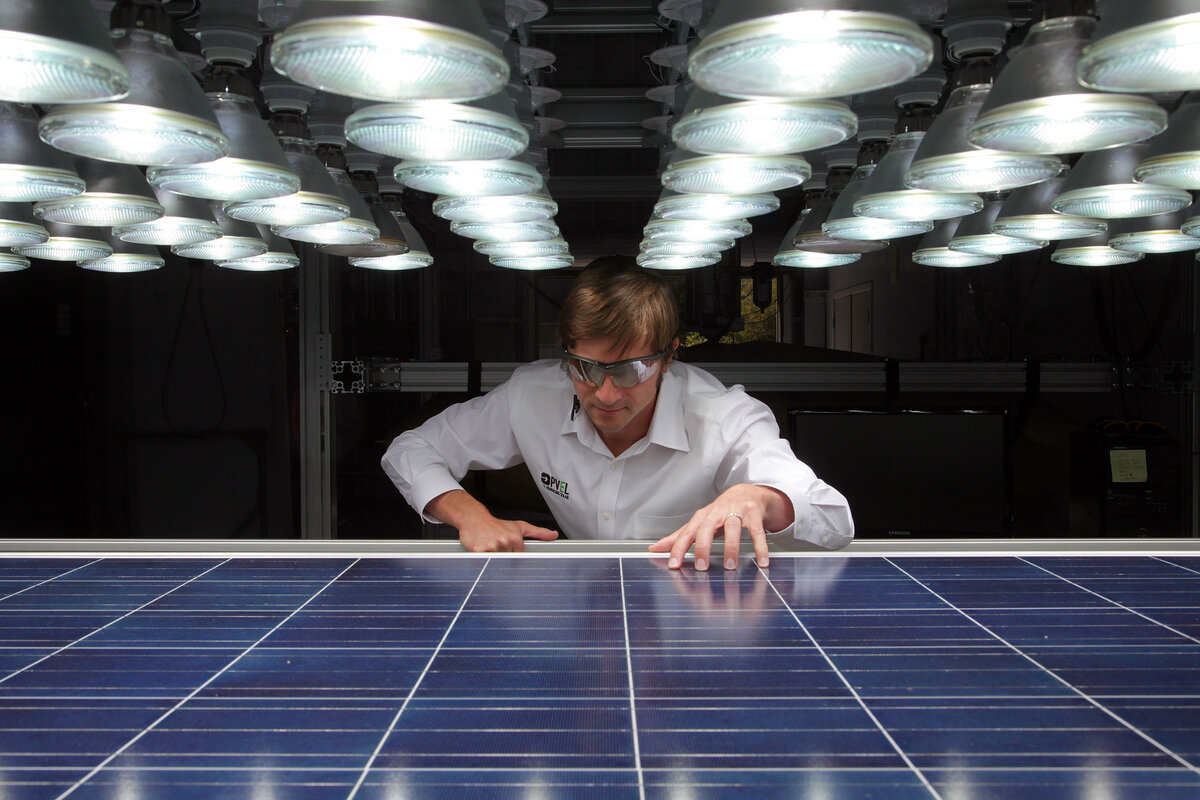
Recent developments have made solar more accessible than ever. Perovskite tandem cells, currently transitioning from labs to market, promise efficiency gains of 30% or more compared to traditional silicon panels. Bifacial modules capture reflected light from surfaces beneath them, boosting output by 10-20%. Smart monitoring systems track production in real time through your phone, identifying issues before they impact your savings.
These aren’t abstract laboratory concepts. They’re working installations generating verified results across millions of properties. When you invest in solar technology, you’re buying years of peer-reviewed research translated into equipment that arrives with warranties, performance guarantees, and professional installation. The “research” phase has already happened, the testing is complete, and the benefits are yours to claim through a straightforward purchasing process that connects you with certified local installers who handle everything from permits to final inspection.
What to Look For When Comparing Solar Solutions
Evaluating solar providers requires the same scrutiny you’d apply to any significant investment, but with specific markers that separate credible companies from questionable operators.
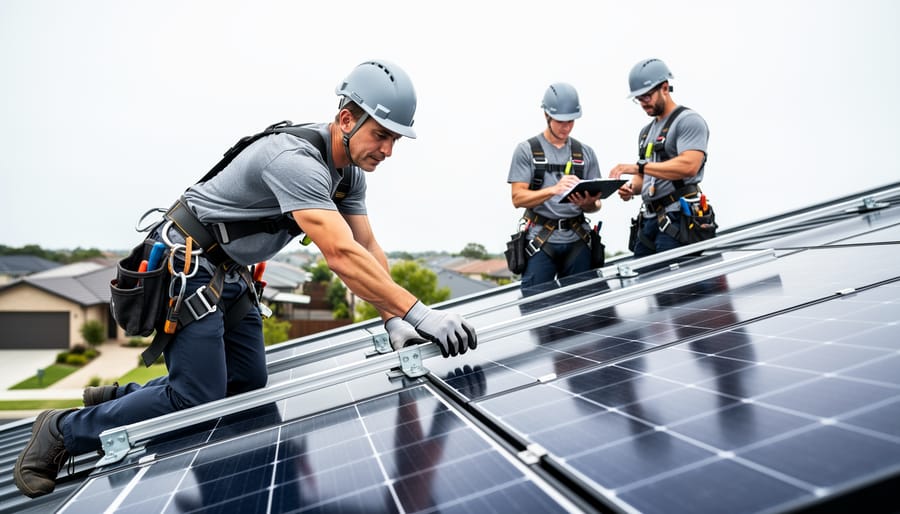
Start with installer certifications. The North American Board of Certified Energy Practitioners (NABCEP) certification represents the gold standard for solar installers. This credential confirms that technicians have undergone rigorous training and demonstrated practical competency. While not every excellent installer holds NABCEP certification, it provides immediate assurance that you’re working with qualified professionals.
Equipment warranties tell you how confident manufacturers are in their products. Premium solar panels typically carry 25-year performance warranties guaranteeing at least 80-85% of original output after a quarter century. Inverter warranties usually run 10-25 years depending on the type. Companies offering substantially shorter warranties or vague performance guarantees should raise immediate concerns.
Beyond equipment, scrutinize the workmanship warranty. This covers installation quality and typically ranges from 5 to 25 years. A company standing behind its work for 25 years signals confidence in both materials and craftsmanship. Short workmanship warranties suggest the installer may not plan to remain in business long-term.
Performance monitoring systems provide ongoing transparency. Quality providers include monitoring that tracks your system’s actual energy production against expected output. This data-driven approach lets you verify that your investment performs as promised, not just initially but throughout its lifespan.
Request detailed proposals from multiple providers that break down equipment specifications, projected energy production, total costs, and available incentives. Vague estimates or pressure to sign quickly indicate unprofessional operations. Legitimate solar companies welcome thorough evaluation because they know their offerings withstand comparison.
Weigh the pros and cons specific to your property by asking providers how they account for your roof orientation, shading patterns, and local climate conditions. Generic proposals that ignore your specific circumstances suggest a company more interested in volume than results.
Cost Savings You Can Actually Calculate
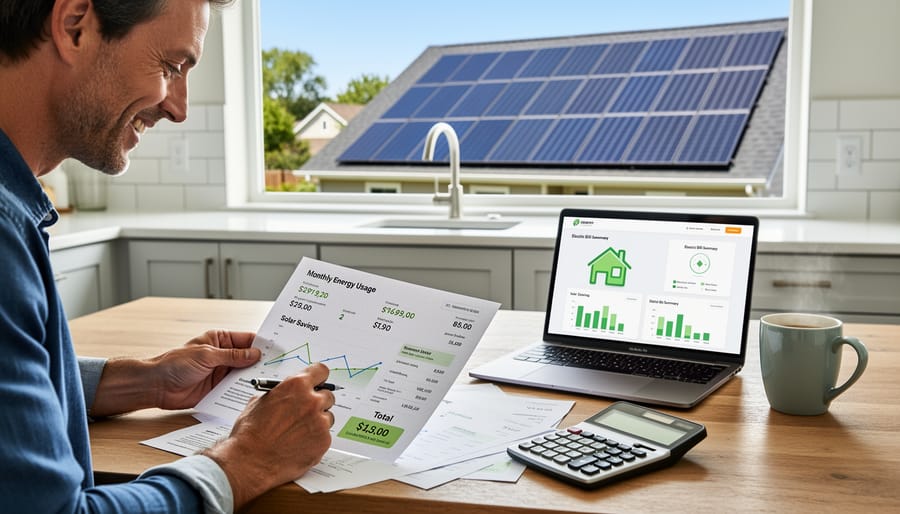
One of the most compelling differences between solar energy and unregulated product markets is the transparency of the financial equation. When you invest in a solar installation, you’re not guessing at value or hoping for unverifiable benefits, you can calculate exact returns based on your energy usage, local electricity rates, and available incentives.
Solar rebates and tax credits for 2026 provide immediate, documented savings that reduce your upfront investment. The federal solar Investment Tax Credit, state-level programs, and utility rebates create a layered incentive structure that’s publicly documented and easily verified. Unlike purchases in industries without regulatory oversight, these financial benefits come with clear eligibility criteria and reliable payout schedules.
| Timeline | Average System Cost | After 2026 Incentives | Cumulative Savings |
|---|---|---|---|
| Upfront | $25,000 | $16,250 | $8,750 |
| 5 Years | $14,500 | ||
| 10 Years | $29,000 | ||
| 25 Years | $72,500 |
The typical savings homeowners experience depend on their specific electricity consumption and regional rates, but the methodology for calculating them remains consistent and verifiable. You’ll receive detailed production estimates based on your roof’s orientation, shading analysis, and historical weather data for your area. These aren’t marketing claims, they’re engineering calculations backed by decades of real-world performance data.
Your monthly utility bills provide ongoing proof of savings, creating a transparent feedback loop that confirms your return on investment. This level of financial clarity and accountability stands in sharp contrast to industries where product claims lack independent verification or measurable outcomes.
You came here looking for something entirely different, and that’s perfectly fine. While we can’t help with research peptides, we’ve hopefully shown you something more valuable: a clear path toward an investment that delivers measurable, long-term benefits right where you live.
Solar energy isn’t a speculative purchase. It’s a proven technology backed by decades of research, rigorous testing, and real-world performance data. Unlike products requiring specialized facilities or uncertain outcomes, solar panels generate predictable savings from day one. You’ll see the impact on your utility bills within the first month, and the financial benefits compound over 25 years or more.
What makes solar especially attractive now is the combination of advancing technology and accessible incentives. Federal tax credits, state rebates, and net metering programs transform what seems like a significant upfront investment into a genuinely affordable upgrade. The math is straightforward, the returns are documented, and the environmental impact is immediate.
The key is working with providers who demonstrate the same commitment to quality and transparency we’ve discussed throughout this article. Look for companies with proper certifications, comprehensive warranties, and a track record of successful installations in your area. The best installers won’t pressure you or oversell their systems. They’ll assess your specific energy needs, explain your options clearly, and stand behind their work.
Your next step is simple: connect with vetted local solar providers who can turn these concepts into a customized plan for your property. The research is done, the technology works, and the financial case is solid. Now it’s just about making it happen.