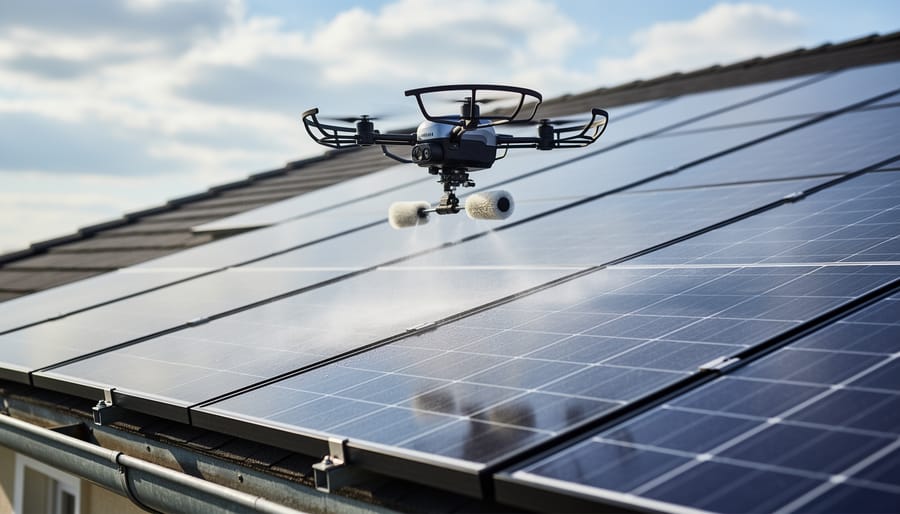
A solar panel cleaning drone can wash a rooftop array in a fraction of the time a ladder-and-brush crew needs, and it does it without anyone stepping onto a slippery, sloped roof. For most homeowners the practical route is hiring a licensed operator who flies the drone for you. A typical residential job takes an hour or two, while a commercial rooftop or ground-mount field can be done in a day. Doing it yourself is a different story: it takes a trained pilot, the right equipment, and a steady hand.
Why does it work? Dust, pollen, bird droppings, and grime block sunlight, and even a thin film can trim your system’s output. Drones carry a lightweight spray or soft-brush attachment and use purified water, so they clean gently without scratching the glass. Regular upkeep is a core part of good solar panel maintenance and drones make it faster and safer, especially for tall roofs, steep pitches, and big arrays.
Still, drones aren’t right for every setup. Wind, panel tilt, and local rules all matter. This guide walks through what you need, the safety checks to run first, the cleaning process step by step, and how to confirm the job worked, so you can decide whether a drone, a pro, or traditional cleaning fits your property best.
Is a Cleaning Drone Right for Your Solar Panels?
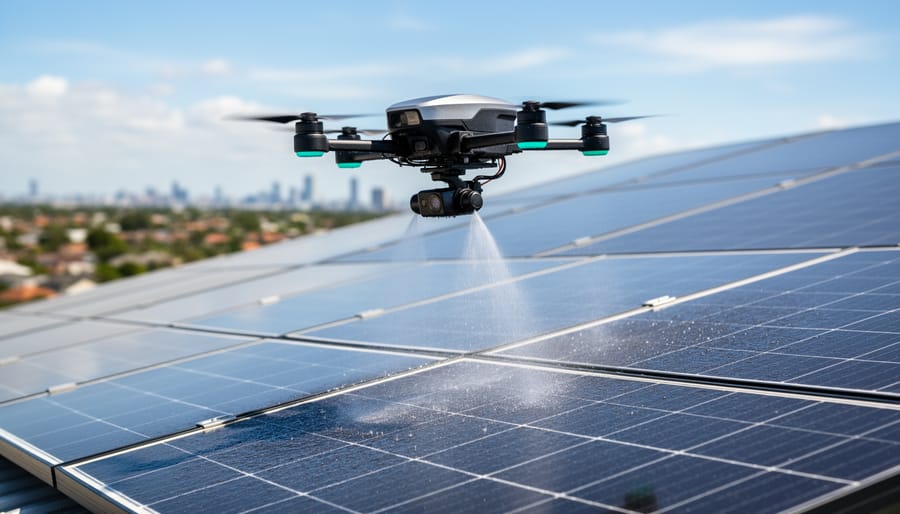
A cleaning drone is basically a flying sprayer. It carries a small water tank or a hose line, and some models add a soft brush or a spinning rotor head that gently agitates dirt. You fly it over the array and it rinses or lightly scrubs the glass, so nobody has to climb onto the roof.
That setup shines in a few situations. Steep or tall roofs, large commercial rooftops, ground-mount fields with hundreds of panels, and any spot that’s hard to reach safely are where a drone saves real time and reduces risk. If a ladder or roof walk feels dicey, the air is often the smarter route.
For a typical single-story home with easy access, though, the simpler path may serve you just as well. A basic solar cleaning kit with a soft brush, a long pole and clean water handles most light buildup from the ground. And if you’d rather not do it yourself, a professional cleaning visit is often the easiest answer, and that’s something we can help you arrange through local providers.
It helps to know why any of this matters. Once you understand how solar panels work, it’s clear that anything blocking sunlight from reaching the cells cuts into production. Dust and pollen form a thin film that dims output a little. Bird droppings are worse, because they cast concentrated shade over one cell, and since cells are wired in series, that single patch can drag down a whole string of the panel.
Ask yourself two things: how hard is it to reach your panels, and how many do you have? Tricky access or a big array points toward a drone. Easy access and a modest system points toward the simpler options.
Tools and Materials You’ll Need Before Takeoff
Before the drone leaves the ground, it helps to have everything laid out and ready. Think of this as your preflight checklist, and if you’re hiring a pro, it’s also a good preview of what should show up on the day.
- A cleaning drone system (or a provider’s equipment): This is the aircraft plus its water tank, spray nozzle, or soft brush attachment, and it does the actual washing.
- Clean water: Soft or deionized water (water with the minerals filtered out) dries without leaving chalky spots or streaks.
- A gentle, non-abrasive cleaning solution: Use one only if your panel manufacturer recommends it, since harsh products can harm the glass coating.
- A spotter: A second person keeps eyes on the surroundings, watches for people or pets, and helps you stay safe.
- A fully charged battery set: Spare batteries let you finish a large array without rushing or stopping halfway.
- A monitoring app or inverter display: This shows your panel output so you can compare production before and after cleaning.
A few of these deserve a quick note. Water quality matters more than most people expect. Ordinary tap water often carries minerals that dry into a faint film, which can undo your hard work. If you don’t have access to soft or deionized water, ask your drone or cleaning provider what they use.
It’s also smart to snap a few photos and write down your panel output before you start. That simple baseline makes it much easier to see whether the cleaning really made a difference.
If you’re hiring a professional, you won’t need to gather any of this yourself. But knowing the list means you can ask good questions, like what kind of water they bring and whether they follow your panel maker’s cleaning guidelines.
Safety Warnings and When to Hold Off on Cleaning
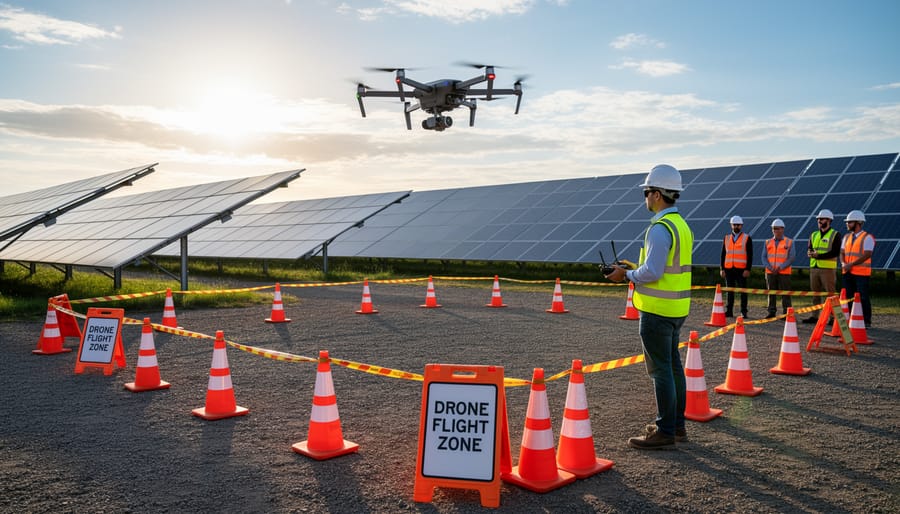
Cleaning panels with a drone is generally low-risk, but a few simple habits keep both people and equipment safe. Think of this section as your pre-flight checklist.
Start with the rules. Drone regulations vary by country, state, and even neighborhood, and some areas require pilot certification, registration, or permission to fly near buildings. Check what applies where you live before you launch. If you’re hiring a pro, ask whether they hold the right credentials and carry liability insurance.
Next, look at your surroundings. Keep the drone well away from people, pets, and especially power lines, which can cause serious trouble if the drone drifts. Skip flights in high wind or rain, since wind pushes spray off target and makes the drone harder to control, and rain defeats the purpose anyway. Electrical components such as junction boxes, connectors, and inverters should stay dry, so aim water only at the panel surface.
Timing matters too. Never clean in hot midday sun. Cold water hitting a hot panel can cause thermal shock, and fast evaporation leaves streaks and mineral spots. Early morning or evening, when the glass is cool, gives the best and safest results.
Before any cleaning, check your panel warranty and the manufacturer’s cleaning guidelines. Some brands specify approved water types, pressure limits, or cleaning products, and following them protects your coverage.
If any of that feels uncertain, that’s completely normal. Hiring a licensed, insured professional is a perfectly smart choice, and it takes the guesswork off your shoulders.
How to Clean Solar Panels With a Drone, Step by Step
Timing and Prep Work
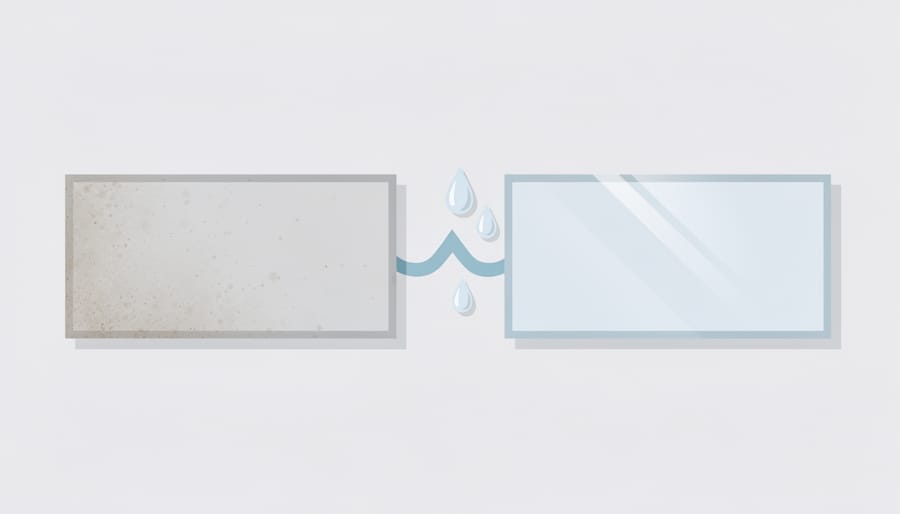
Plan your drone cleaning for early morning or evening, when panels are cool. Cold panels and cool water keep the water from drying too fast, which prevents streaks and spotting, and it avoids the thermal shock that can happen when cool water hits hot glass. Skip windy days, since gusts push spray off target and make flying harder. In many regions, spring and early fall work well, because pollen and dust have built up but the weather is mild.
Before you launch, walk the site for a quick visual check. Look for cracked glass, loose wiring, or exposed connections, and hold off on cleaning if anything looks damaged. Check the drone, too: battery charge, propellers, and the water tank or spray system.
Then set up a safe launch area on flat, clear ground, away from people, trees, and power lines. Position your spotter where they can see both the drone and the array, so they can call out hazards while you focus on flying.
Cleaning Passes and Common Troubleshooting
Plan your passes before you lift off. Fly slow, overlapping lines that follow the panel rows, working from the top edge of the array down toward the bottom. Overlap each pass by roughly a third so no strip gets skipped, and keep a steady height and speed so the water lands evenly instead of pooling in some spots and missing others.
Streaks usually mean the water was too hard, the panels were warm, or the spray dried before it rinsed away. If you see them, pause, let the glass cool in the shade of early morning or evening, and make one more gentle rinse pass with clean water.
For stubborn spots like bird droppings or baked-on pollen, resist the urge to hit them with extra force. Soften them with a light, repeated spray or a second pass after a short wait, then rinse. Harsh scrubbing or pressure can scratch the coating or push water where it shouldn’t go.
If a spot still won’t budge, leave it. A professional can handle it safely, and a tiny patch costs you very little output.
How to Check Your Results and Plan Your Next Cleaning
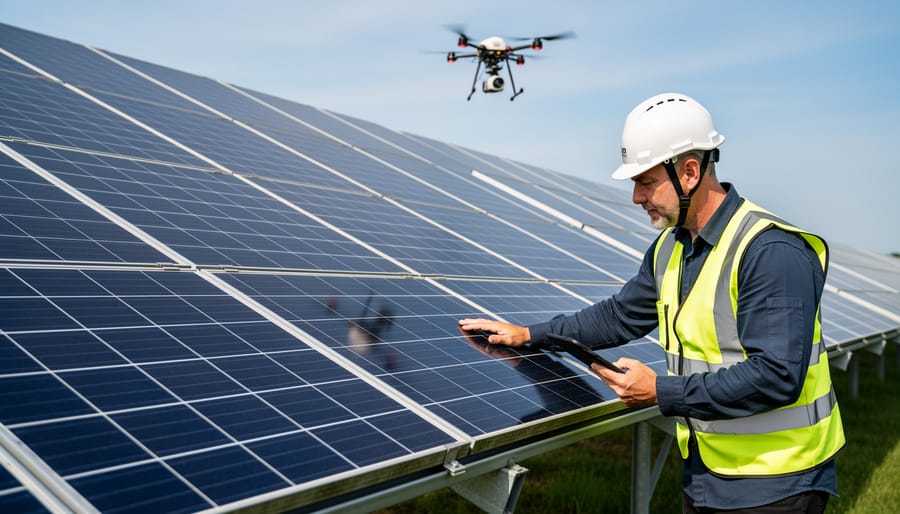
Once the drone lands, take a few minutes to confirm the job actually worked. Start with your eyes. From the ground, or from a safe spot with binoculars, look for streaks, cloudy patches, or leftover residue along the panel edges, since those are where water tends to pool and dry.
The more telling check is your production data. Open your monitoring app or inverter readout and compare output on a similar sunny day before and after cleaning. Pick days with comparable temperature and sky conditions, otherwise the numbers won’t tell you much. A modest bump is normal, and a bigger one usually means there was real buildup to clear.
Here’s a simple checklist to run through:
- Do a visual inspection for streaks, spots, or missed sections.
- Compare before-and-after production on similar sunny days.
- Check for residue or mineral marks once the panels have fully dried.
- Jot down the date and any notes so you know when to schedule the next cleaning.
Keep an eye out for anything unusual too, like a sudden production drop, one panel lagging behind its neighbors, or visible cracks. Those are worth a closer look from a pro rather than another round of washing.
As for your rhythm, it depends on where you live. Dusty areas, heavy pollen seasons, nearby trees, and long dry spells call for more frequent cleaning, while regular rain does some of the work for you. For a realistic starting point on how often to clean look at your own output trends and adjust from there. If you’d rather leave it to someone else, Ask Solar can connect you with local providers who offer cleaning and maintenance quotes, whenever you’re ready.
Solar Panel Cleaning Drone FAQs
How often should solar panels be cleaned?
It depends on your surroundings. Dusty areas, nearby trees, and heavy bird traffic usually call for more frequent cleaning than a tidy, rainy neighborhood. Many owners find a seasonal check is a good starting point, then adjust based on what they see.
Will a drone damage my panels?
When it’s used with gentle water spray or soft contact and flown by a careful operator, damage is unlikely. The risks come from high pressure, abrasive materials, or flying in poor conditions. If you’re unsure, a licensed pro can handle the flight for you.
Is drone cleaning safe for my warranty?
Warranty terms vary, so check your manufacturer’s cleaning guidelines before anything else. Some limit which cleaning agents or methods are allowed. A quick call or email to your installer can settle it in minutes.
How does drone cleaning compare in cost to a standard professional cleaning?
It varies by provider, array size, and location. Drones can save time on large or hard-to-reach roofs, while a traditional visit may be simpler for a small, easy-access system. Getting a couple of local quotes is the best way to compare.
Do I need a license to fly one?
Rules differ by country and sometimes by city, and they change over time. Many places require some form of pilot certification or permission, especially for commercial work. Check your local aviation authority, or hire an insured operator who already handles this.
Does rain clean my panels well enough?
Rain helps rinse off loose dust, but it often leaves streaks and does little for stubborn grime like bird droppings or sticky pollen. Think of it as a helpful top-up rather than a full cleaning.
Your own roof and panels play a part in these answers too. Your own solar panel type can influence how much dirt shows up and how often you’ll want to look things over, so it’s worth knowing what you have. If you’d like a refresher, our guide to choosing the right solar panel type explains the main differences in plain language.
A cleaning drone can be a safe, convenient addition to your Solar Panel Maintenance routine, especially if your roof is steep, tall, or just hard to reach. It won’t be the right tool for every system, and that’s fine. What matters is matching the method to your setup.
A little preparation goes a long way: check the weather, follow your panel manufacturer’s cleaning guidelines, and fly early or late in the day. Afterward, a quick visual check and a look at your production numbers will tell you whether the job did what you hoped.
If you’d like to keep learning, browse the related guides here on Ask Solar. And if you’d rather have an expert handle it, you can request quotes from local solar service providers and compare your options at your own pace.